Essential Off-Grid Living Resources and Tools
Off-grid living is more than just a lifestyle choice; it’s a commitment to sustainability, self-sufficiency, and a deeper connection with nature. Whether you’re looking to escape the hustle and bustle of urban life or simply want to reduce your carbon footprint, understanding the essential resources and tools for off-grid living is crucial. This guide will explore the must-have items and resources that can help you thrive in an off-grid environment.
Understanding Off-Grid Living
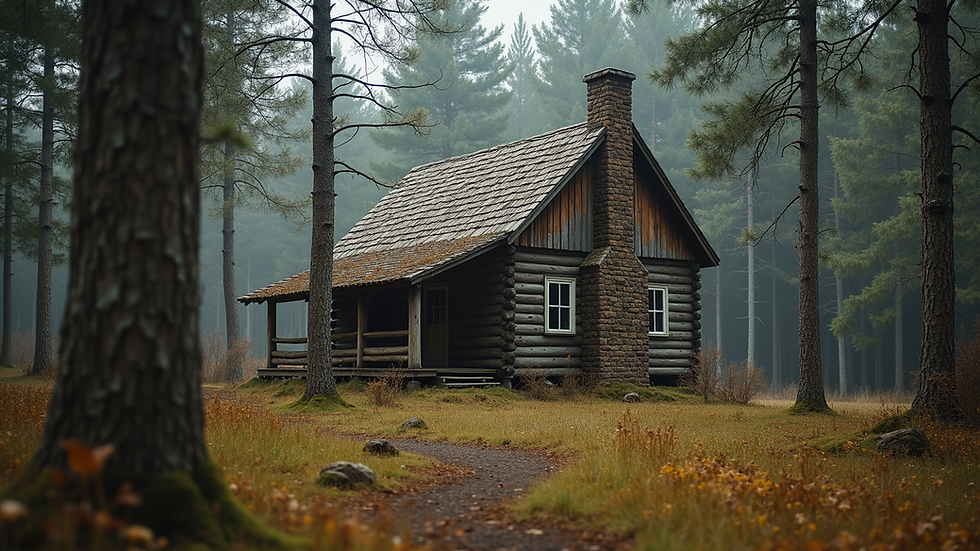
Off-grid living refers to a lifestyle where individuals or families live independently from public utilities. This means generating your own electricity, sourcing your own water, and often growing your own food. The appeal of off-grid living lies in its promise of freedom, sustainability, and a simpler way of life.
Benefits of Off-Grid Living
Independence: You are not reliant on external utilities, which can be especially beneficial in remote areas.
Sustainability: Off-grid living encourages the use of renewable resources, reducing your environmental impact.
Cost Savings: While initial setup costs can be high, long-term savings on utility bills can be significant.
Connection to Nature: Living off-grid often means being surrounded by natural beauty, promoting a healthier lifestyle.
Essential Resources for Off-Grid Living
Water Sources
Water is a fundamental resource for any off-grid living situation. Here are some effective ways to source and manage water:
Rainwater Harvesting: Collecting rainwater is one of the most sustainable methods. Install gutters and storage tanks to capture and store rainwater for household use.
Wells: Drilling a well can provide a reliable water source. Ensure you check local regulations and water quality.
Natural Springs: If you are fortunate enough to have a natural spring on your property, this can be an excellent water source.
Energy Solutions
Generating your own energy is vital for off-grid living. Here are some popular options:
Solar Power: Solar panels are a popular choice for off-grid homes. They convert sunlight into electricity, which can power your home and appliances.
Wind Turbines: If you live in a windy area, a small wind turbine can supplement your energy needs.
Hydropower: For those near a flowing water source, micro-hydropower systems can generate consistent electricity.
Food Production
Growing your own food is not only rewarding but also essential for self-sufficiency. Consider the following methods:
Vegetable Gardens: Start with a small garden to grow your favorite vegetables. Raised beds can improve soil quality and make gardening easier.
Permaculture: This sustainable farming method focuses on creating a self-sufficient ecosystem. It involves planting a variety of crops that support each other.
Livestock: Chickens, goats, and bees can provide eggs, milk, and honey, contributing to your food supply.
Tools for Off-Grid Living
Having the right tools can make off-grid living more manageable. Here are some essential tools you should consider:
Hand Tools
Shovels and Spades: Essential for gardening and landscaping.
Axes and Saws: Useful for cutting firewood and managing trees.
Hand Crank Tools: Consider hand-cranked tools for tasks like grinding grain or mixing cement.
Power Tools
Solar-Powered Tools: Invest in solar-powered drills, saws, and other tools to reduce reliance on traditional power sources.
Generators: A backup generator can be useful for emergencies, especially if you have a solar setup that needs support during cloudy days.
Maintenance Tools
Repair Kits: Keep a variety of repair kits for plumbing, electrical, and general maintenance.
First Aid Kit: Always have a well-stocked first aid kit on hand for emergencies.
Building Your Off-Grid Home
When it comes to building your off-grid home, consider the following:
Location
Choose a location that provides natural resources, such as sunlight, water, and fertile land. Proximity to a forest can also provide wood for heating and building.
Design
Tiny Homes: Smaller homes require fewer resources and can be easier to manage.
Earth Sheltered Homes: These homes are built into the earth, providing natural insulation and reducing energy needs.
Materials
Use sustainable materials like reclaimed wood, straw bales, or cob (a mixture of clay, sand, and straw) to minimize your environmental impact.
Community and Networking
Living off-grid doesn’t mean you have to be alone. Building a community can provide support and resources. Here are ways to connect:
Local Workshops: Attend workshops on off-grid living, gardening, and sustainable practices.
Online Forums: Join online communities where you can share experiences and tips with other off-grid enthusiasts.
Local Meetups: Look for local groups focused on sustainability and off-grid living.
Challenges of Off-Grid Living
While off-grid living has many benefits, it also comes with challenges. Here are some common issues and how to address them:
Resource Management
Managing resources like water and energy can be challenging. Implementing efficient systems for collection and storage is crucial. Regularly monitor your usage to avoid shortages.
Isolation
Living off-grid can sometimes feel isolating. Make an effort to connect with neighbors and participate in community events to combat loneliness.
Maintenance
Regular maintenance of your systems (solar panels, water collection, etc.) is essential to ensure they function properly. Create a schedule for routine checks and repairs.
Conclusion
Embracing off-grid living is a rewarding journey that requires careful planning and resource management. By understanding the essential resources and tools needed, you can create a sustainable and fulfilling lifestyle. Whether you’re just starting or looking to enhance your off-grid experience, remember that the key to success lies in preparation, community, and a willingness to adapt.
Take the first step today by researching local resources, connecting with like-minded individuals, and exploring the tools that can support your off-grid journey. The freedom and fulfillment of living off the grid await you.


Comments